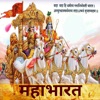
Mahabharat Downloads & RevenueMahabharat - Hindi · App Store
Not in any tracked top chart right now.
Updated 11 Nov 2026 · rankings refresh through the day
DeveloperMohit Agarwal
CategoryBooks
PriceFree
Released
Rating★ 4.7 (439)
Version1.6.0
Age rating4+
First seen by us 29 Sep 2026
Full timeline · 3 events in the last 12 months
- 📈Mahabharat - Hindi dropped out of every chart we trackLast seen 29 Sep
- 🆕Mahabharat - Hindi first spotted by AppInsider#63 in Top Free · Books · India
- 🆕Mahabharat - Hindi released on the App Store
Collected from the stores by AppInsider since we first spotted the app. Dates are when we saw each change.
Rating
4.7 ★
439 ratings
Measured
Mahabharat - Hindi on the App Store
App details
App ID
1338209805
Publisher
Mohit Agarwal
On the store since
Jan 2018
8 years on the store
Minimum OS
iOS 12.0+
iPhone 5s and later
Devices
iPhone · iPad
Universal purchase
Content rating
4+
Languages
1
EN
Size
46 MB
Also listed in
Books, Reference
Where it ranks now
Every top chart it appears in across 30 countries.
| Country | Charts | Rank |
|---|---|---|
| Not charting right now. | ||
Ratings
App Store, worldwide.
Rating
4.7 ★
439 ratings
Measured
Ratings
439
Measured
About Mahabharat - Hindi
महाभारत हिन्दुओं का एक प्रमुख काव्य ग्रंथ है, जो स्मृति वर्ग में आता है। कभी कभी केवल "भारत" कहा जाने वाला यह काव्यग्रंथ भारत का अनुपम धार्मिक, पौराणिक, ऐतिहासिक और दार्शनिक ग्रंथ हैं। विश्व का सबसे लंबा यह साहित्यिक ग्रंथ और महाकाव्य, हिन्दू धर्म के मुख्यतम ग्रंथों में से एक है। इस ग्रन्थ को हिन्दू धर्म में पंचम वेद माना जाता है। यद्यपि इसे साहित्य की सबसे अनुपम कृतियों में से एक माना जाता है, किन्तु आज भी यह ग्रंथ प्रत्येक भारतीय के लिये एक अनुकरणीय स्रोत है। यह कृति प्राचीन भारत के इतिहास की एक गाथा है। इसी में हिन्दू धर्म का पवित्रतम ग्रंथ भगवद्गीता सन्निहित है। पूरे महाभारत में लगभग १,१०,००० श्लोक हैं, जो यूनानी काव्यों इलियड और ओडिसी से परिमाण में दस गुणा अधिक हैं।
हिन्दू मान्यताओं, पौराणिक संदर्भो एवं स्वयं महाभारत के अनुसार इस काव्य का रचनाकार वेदव्यास जी को माना जाता है। इस काव्य के रचयिता वेदव्यास जी ने अपने इस अनुपम काव्य में वेदों, वेदांगों और उपनिषदों के गुह्यतम रहस्यों का निरुपण किया हैं। इसके अतिरिक्त इस काव्य में न्याय, शिक्षा, चिकित्सा, ज्योतिष, युद्धनीति, योगशास्त्र, अर्थशास्त्र, वास्तुशास्त्र, शिल्पशास्त्र, कामशास्त्र, खगोलविद्या तथा धर्मशास्त्र का भी विस्तार से वर्णन किया गया हैं।
The Mahabharat (Sanskrit: महाभारतम्, Mahābhāratam, is one of the two major Sanskrit epics of ancient India, the other being the Rāmāyaṇa.
The Mahabharat is an epic narrative of the Kurukṣetra War and the fates of the Kaurava and the Pāṇḍava princes. It also contains philosophical and devotional material, such as a discussion of the four "goals of life" or puruṣārtha. Among the principal works and stories in the Mahabharat are the Bhagavad Gita, the story of Damayanti, an abbreviated version of the Rāmāyaṇa, and the story of Ṛṣyasringa, often considered as works in their own right.
Traditionally, the authorship of the Mahabharat is attributed to Vyāsa. There have been many attempts to unravel its historical growth and compositional layers. The oldest preserved parts of the text are thought to be not much older than around 400 BCE, though the origins of the epic probably fall between the 8th and 9th centuries BCE. The text probably reached its final form by the early Gupta period (c. 4th century CE). The title may be translated as "the great tale of the Bhārata dynasty". According to the Mahābhārata itself, the tale is extended from a shorter version of 24,000 verses called simply Bhārata.
The core story of the work is that of a dynastic struggle for the throne of Hastinapura, the kingdom ruled by the Kuru clan. The two collateral branches of the family that participate in the struggle are the Kaurava and the Pandava. Although the Kaurava is the senior branch of the family, Duryodhana, the eldest Kaurava, is younger than Yudhishthira, the eldest Pandava. Both Duryodhana and Yudhishthira claim to be first in line to inherit the throne.
The struggle culminates in the great battle of Kurukshetra, in which the Pandavas are ultimately victorious. The battle produces complex conflicts of kinship and friendship, instances of family loyalty and duty taki
Latest updates
1.6.0
Bug fixes and performance improvements
More from Mohit Agarwal
 Hindu Panchang - Calendar
 Shri Guru Granth Sahib Ji Bani
 Shiv Purana in Hindi
 Shrimad Bhagavad Gita in Hindi
 Shrimad Bhagavad Gita English
 Bharatiya Nagrik Suraksha BNSS
 Bhagavad Gita : Marathi
 Gujarati-Bhagavad Gita
 Bharatiya Nyaya Sanhita - BNS
 Novels Stories & Books Reader
 Garud Puran in Hindi
 Chanakya Niti - Hindi Complete